

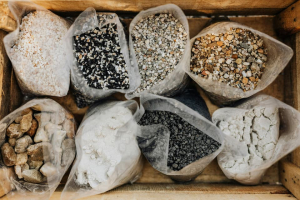


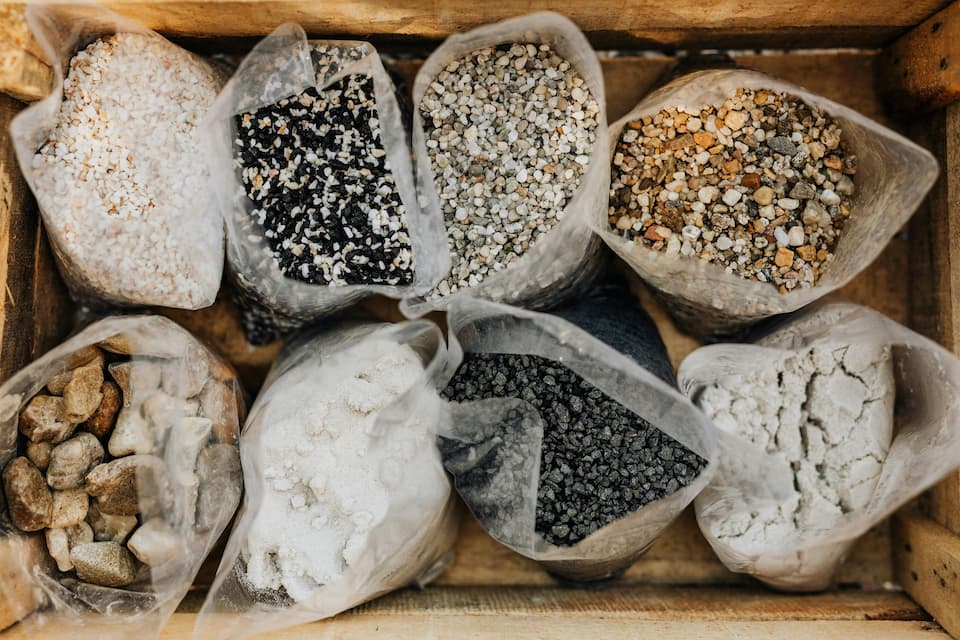
Fine aggregate is a key component in the majority of construction materials, mainly concrete and mortar. When we say fine aggregate, we are generally referring to crushed stone or naturally occurring sand that is thin enough to pass through a 4.75 mm sieve and fills the spaces between coarse aggregate. This creates a dense and workable mix; fine aggregate plays a crucial part when it comes to determining the strength and durability of concrete structures.
Today, we’re going to cover in more detail what is fine aggregate in construction, explain different aggregate types, and offer advice on finding the best one for your project.
Types of Fine Aggregates
There are several different types of fine aggregates:
- Natural fine aggregates, which include river sand, sea sand, and pit sand.
- Manufactured fine aggregates, such as crushed stone sand and manufactured sand.
- Recycled fine aggregates like crushed concrete fines and industrial by-products.
Are Fine Aggregate and Sand the Same?
While fine aggregates and sand are very similar, they aren’t technically the same thing.
They are closely related. However, sand is the most common type of fine aggregate, but it isn’t the only one. A fine aggregate is essentially any material made up of small particles that fit through a 4.75 mm sieve, as we touched on at the beginning.
Fine aggregates often come in the form of sand from rivers or pits, but can also come in manufactured form, so while sand that is used in construction is a fine aggregate, not all fine aggregate is sand.
The Roles of Fine Aggregates in Construction Mix
Fine aggregates offer a great deal when it comes to construction mixes.
They fill in spaces between coarse aggregates like gravel and crushed stone, reducing voids in the concrete, decreasing the amount of cement paste needed, and improving the overall density and strength of the concrete mix.
In terms of workability, they also make the mix easier to place and compact.
The surface finish of concrete or mortar can be influenced by the fine aggregate in the mix. For example, smooth sand produces a smooth finish, which is essential for plastering and architectural surfaces.
Overall construction costs can be lowered through the use of fine aggregates because they reduce the cement content needed, without compromising on quality and strength.
Tips for Choosing the Right Fine Aggregates for Concrete Mix
There are some things to be aware of when it comes to choosing the right fine aggregates for concrete mixes:
Use sand that is clean and free from clay, silt, and organic impurities. This will help ensure strong bonding with the cement.
Choose well graded sand that fills voids and improves the density of the concrete.
Rounded grains will make the concrete mix workable, whereas angular alternatives will increase its mechanical strength.
Steer clear of sand with salts, sulfates, or debris, as it can weaken the concrete and cause defects.
What is the Best Type of Fine Aggregate?
This depends on the specific application the aggregate is being used for. Typically, for structural concrete and general construction work, manufactured sand is best.
However, for a plastering and finishing project, natural river sand tends to offer better finishes.
Find Aggregates at Parr Rochdale
You can find premium aggregates and sand at Parr Rochdale that are suitable for an array of construction projects.
If you have any additional questions on fine aggregates and how to use them most effectively, please contact us.